Dear Dr. Debbie,
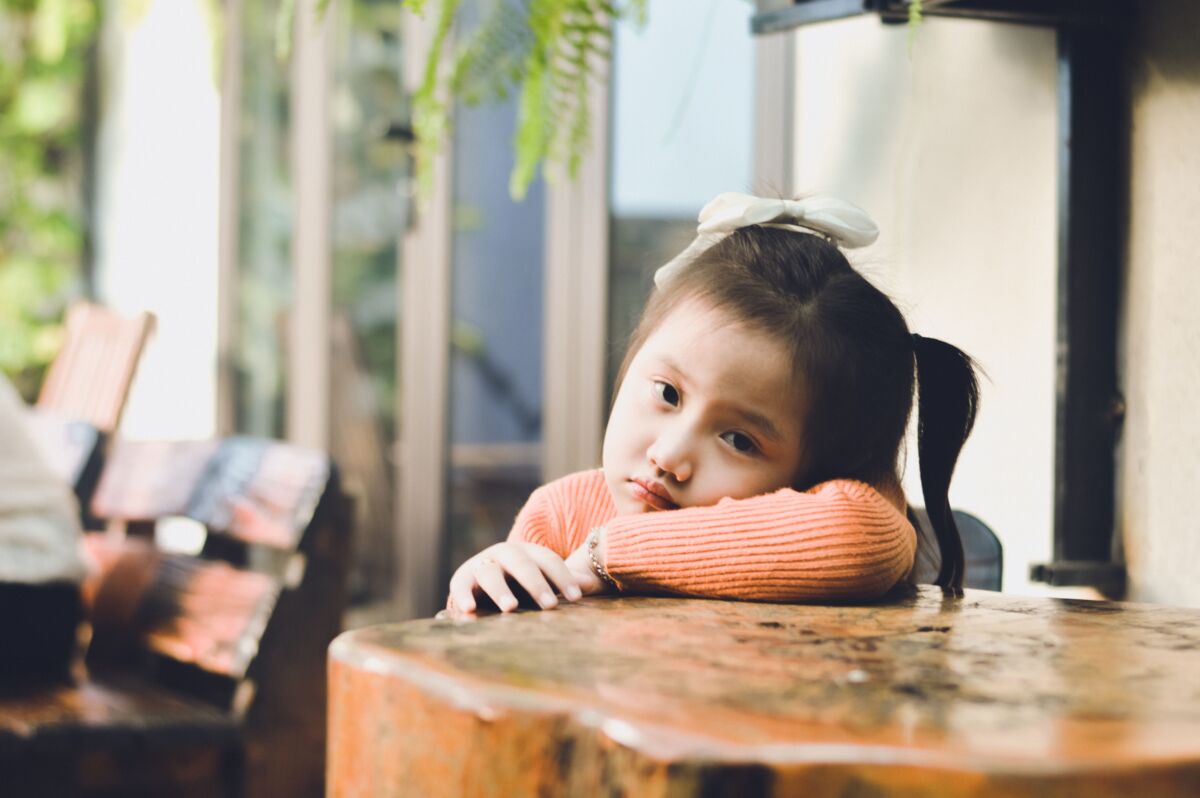
My husband and I are both trying to do a better job of raising our children than our parents did with us. Specifically, we are aware that, even now, a criticism by one of our parents (or any authority figure) brings on feelings of defeat, shame, worthlessness. We try to be careful with our children, and with each other, to not pass on this dynamic, but already notice our two-year-old and five-year-old look so sad if we have to stop them from doing something. I’d hate to think they’ll have the troubles I’ve had with avoiding tough assignments at work for fear of failure.
Trying To Do Better
Dear T.T.D.B.,
What you’re describing has a name: Rejection Sensitivity, or in the extreme, Rejection Sensitive Dysphoria or RSD. Dysphoria is the opposite of “euphoria” which is profound joy. The negative feelings you describe are brought on by perceived or actual rejection or criticism. RSD seems to be strongly associated with Attention Deficit Hyperactivity Disorder (ADHD).
Childhood Origins
Parents and other adults can have a great influence over how a child feels about herself, particularly in the early years. Constant criticism, belittling, and or lack of showing affection can cause a child to doubt herself. She learns to pay more attention to the reactions of people around her, especially parents and teachers, than to her own estimations of her worth. Approval-seeking becomes the goal of much of her actions, though approval feels unlikely to be achieved. Instead, a look or tone of dissatisfaction quickly brings on shame or despair.
Complicating this explanation is the high proportion of adults diagnosed with ADHD who experience the challenges of RSD. Various sources cite from 25% to 99% of adolescents and adults with ADHD consider social sensitivity to be the most impairing aspect of their ADHD.
Consider that a child who can’t sit still, chatters nonstop, frequently loses things including her train of thought, and has other annoying and disruptive behaviors has probably received more than her share of upsetting complaints and hurtful criticism. Harley Street Mental Health, a clinic in the U.K. that specializes in neurodivergence, points out that, “Frequent experiences of rejection, unmet expectations or social difficulties can further amplify these emotions, creating a cycle in which sensitivity and real-life challenges reinforce each other.”
Brain Difference
To further the connection between ADHD and RSD, it has been noted that both conditions involve difficulty in regulating emotions, especially those that come up in social interactions.
A weak ability to pay attention may cause a child to miss a social cue that would otherwise alert a person to alter her behavior. Let’s say she’s playing with the hair of the student sitting next to her at school. Despite the seatmate leaning her head away, there isn’t sufficient impulse control for the hair twirler to stop the annoying behavior. All of a sudden (from the perpetrator’s point of view) there’s a social rejection which is experienced as unexpected, deeply hurtful, and hard to shake. Over time, this child and later adult, may avoid social interactions for fear of failure and to avoid the emotional pain of rejection.
Cleveland Clinic points out a genetic link for ADHD as well as for RSD. And since both conditions often co-occur, research has looked at brain differences. The amygdala (the threat detection part of the brain) is hyper-responsive. It perceives a threat and responds with more extreme emotion compared to the typical brain. There may also be irregular amounts of dopamine and norepinephrine which are supposed to help to manage mood, attention, and impulse control. Anticipatory anxiety sets in. Thinking about being rejected, fearing how painful that will be, then experiencing several episodes of rejection in a day can be exhausting.
Management
Coping strategies for an adult with RSD include identifying your triggers and other patterns. Are you hyper-focused on pleasing someone (a nit-picky boss, a judgmental friend, a faultfinding parent) who is nearly impossible to please? Are you more easily crushed by a criticism when you’re tired? Try to anticipate and reduce your reaction with a pep talk and or a cleansing breath. A few sessions with a mental health professional can help.
Do the same with your children – in the moment of their catastrophic reaction to someone’s disapproval, validate their emotion (sadness, pain, anger, fear of rejection) and remind them they are safe and they are loved. Your calm words and gentle hug can bring strong emotions back down. Help a child notice details she may have missed – “your lovely song interrupted Grandpa trying to watch the football game. That’s why he didn’t want to hear it just now.” Hopefully Grandpa will be a good sport and ask for the song when he can give it the adoring attention it deserves. (I’ll leave it to you to consider intergenerational patterns of rejection sensitivity in the family.)
In between eruptions, help your children develop techniques to lessen their reactions, just as you are doing for yourself. Remind them of their intrinsic value (“I love you to the moon and back!”) and special qualities (good hugger, gentle bug catcher, colorful rainbow artist, terrific singer, etc.).
Parents can’t go wrong with emotional support and instilling a positive self-image.
Dr. Debbie
Write your question to Dr. Debbie! Please include age(s) of your child(ren) and other details about the situation or concern.
Deborah Wood, Ph.D. is a child development specialist and founding director of Chesapeake Children’s Museum, located at 25 Silopanna Road in Annapolis. Fall Family Memberships to the museum provide unlimited admissions for your family through December 31, 2026.
There is a Nature Walk on Thursdays at 10:30 am. Art and Story Time with Mrs. Spears and Puppy the Puppet is on Mondays at 10:30 am.
CCM will present Latin American crafts at the Day of the Dead festival in front of Maryland Hall on Saturday, October 31, 2 to 8 pm. Free admission. Overflow parking at Bates Middle School or the Bates Athletic Complex, 935 Spa Road. The aroma from the food trucks and the live music make it feel like a trip to Mexico!
Grown-ups have their own event Saturday, from 7 to 10 pm at LogRhythm Media, 1801 West Street – That 70’s Halloween Jam with Michael McHenry and his funkified friends from the Clones of Funk. Get your Tickets in Advance to benefit Chesapeake Children’s Museum.
On Sunday, November 1, CCM presents Make a Memory Box and other activities as part of “Healing Through Play”. This a free event supported by the New York Life Foundation and Knology to address childhood bereavement with age-appropriate information and activities. There will be picture books to read together about loss, including the loss of a pet. Free admission.
At 1 pm, poet/artist Crystal Charlotte Lynch invites older children, teens, and adults to participate in adding to a group creation, The Letting Go Tree, with their individual examples of grief, a grudge, guilt, regrets, bad memories, etc. that they are ready to let go of. This activity is also free.