Dear Dr. Debbie,
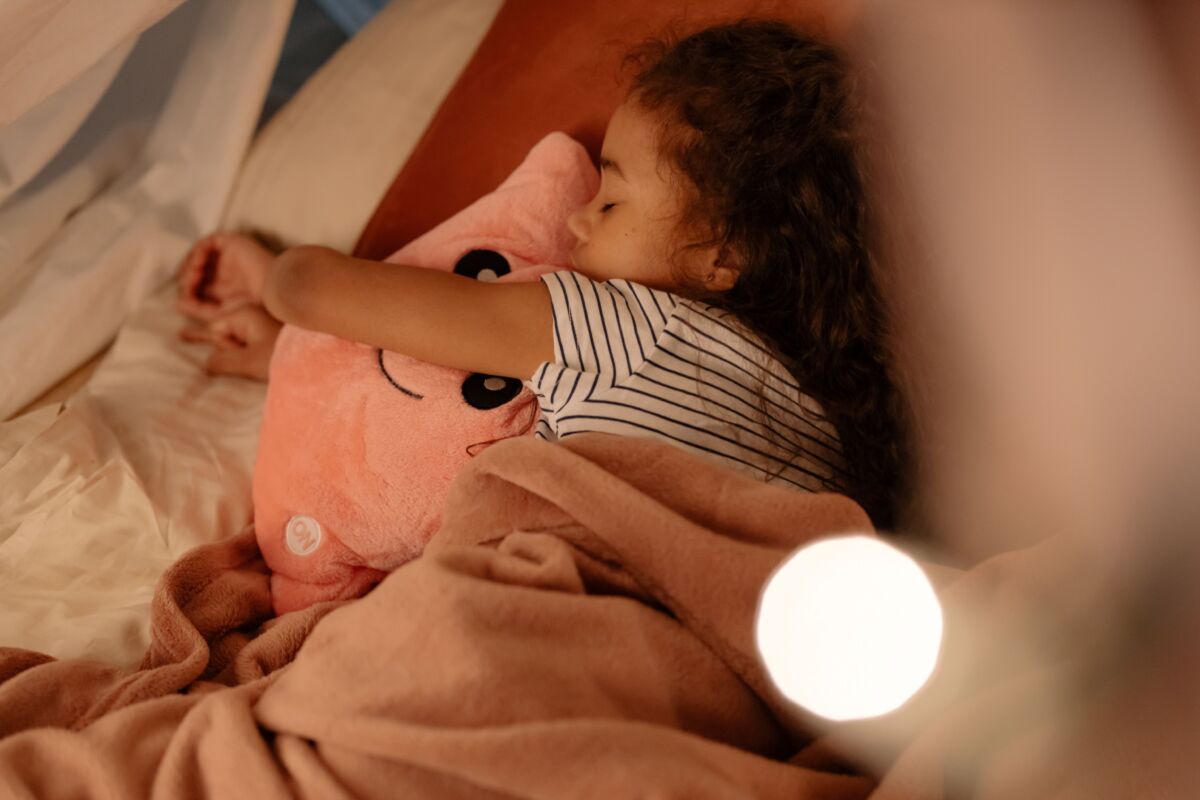
As I hazily recall, sleeping through the night wasn’t much of an issue with our first child. The second one is a different story. She’s almost two-years-old and wakes up crying almost every night. Some nights it’s two or three times.
We think she has a milk allergy which could be creating extra mucus in her head and a tummy ache. So we’re starting a dairy-free diet.
Meanwhile I struggle to remember things, snap at the dog, and barely have the energy to do the minimal cooking and laundry.
Every Day is a Bad Hair Day
Dear E.D.B.H.D.,
Little ones can leave parents with little sleep. If it makes you feel any better, a 2024 survey by Emily Oster, Ph.D. of 14,919 parents concurs with other data that report 25% of children are still regularly waking at night at two-years-old. This percentage will get smaller as children progress to age 5.
In the meantime, try to adapt to lowered expectations of yourself and adopt some practical strategies for getting through this chapter of parenting.
Just Getting By
Make your life easier. Limit outside obligations. Enjoy an easy hair-do (“messy bun” was surely a new mom invention). Clean “just enough” to keep your home livable. Arrange areas in your home for specific use – toys where the children can play, a pad and pen for grocery lists on the refrigerator, everyone’s outerwear and the dog’s leash by the door.
Accept offers of help from friends and family. They are invaluable at this stage of life. These are people who are welcome in your home when it’s a wreck. They might read a book to the children or prepare a snack for them while you gather a load of laundry to put in the machine. They might take on childcare responsibility long enough for you to catch a nap.
If you haven’t yet, find yourself some parenting peers with whom to share the ups and downs of parenting.
Memory Tricks
Memory troubles? The National Library of Medicine explains that interrupted sleep can impair memory retrieval. A tired brain doesn’t do a good job of taking in information, nor does it do a good job of retrieving information. (Now, where did I put those car keys?)
Here are some memory tips for the sleep-deprived:
Location
Pick ONE place to keep things such as car keys. An ideal spot would be a nail hook, a drawer, or a small bowl (kept above child height) near where you come in from the car. When you’re out, get in the habit of putting keys in an outer pocket of your purse or jacket as you leave the car.
Alphabetical Order
If you have a short grocery list or errand list, put the items or stops in alphabetical order before you head out. For example: Drugstore, Library, Post office. Do NOT attempt to memorize a long list; instead, type it into your phone.
Song
Sleep deprivation easily brings on silliness. Let’s say you are trying to remember muffins (to bake, to buy, to throw out because they’re moldy). When the thought occurs to you, but you need to remember it for later, connect it to the children’s song “Do You Know the Muffin Man?” Sing it aloud so your children can help you remember. You can make up a song if needed. For example, if you don’t want to forget to fill out a survey for a chance to win a shopping spree, change “She’ll be coming ‘round the mountain when she comes” to “I’ll be filling out the survey when I can.” Until you do.
Routine
Daily habits – recharging the cell phone, keeping track of keys when you’re out – can be done with very little brain power if you make them part of another necessary routine. For example, plug the phone in before you brush your teeth, pat your pocket or shake your purse to be sure your keys are there before walking away from the car.
Visualization
If you consider yourself a “visual learner,” this one is for you. Take a mental picture of where something is that you will need to find later. Hold an image in your mind of putting the letter that needs to go to the post office next to your car keys on the counter as you gather up children and other necessities for the trip.
Association
Two connected ideas are easier to remember than one idea alone. The new pediatrician’s name makes you think of . . . Keep repeating the two ideas to build a stronger neural pathway in your brain!
And if these tips don’t help because you can’t remember to follow them, just remember to take care of the children. Things that really need to be remembered eventually are.
Dr. Debbie
Write your question to Dr. Debbie! Please include age(s) of your child(ren) and other details about the situation or concern.
Deborah Wood, Ph.D. is a child development specialist and founding director of Chesapeake Children’s Museum, located at 25 Silopanna Road in Annapolis. Online reservations are available or call: 410-990-1993. Walk-ins are welcome. Fall Family Memberships to the museum provide unlimited admissions for your family through December 31, 2026.
There is a Nature Walk on Thursdays at 10:30 am. Art and Story Time with Mrs. Spears and Puppy the Puppet is on Mondays at 10:30 am.
Dr. Debbie has several parenting workshops coming up at the museum:
Four Kinds of Parents: Wednesday, October 14, 5:30-7:30 pm. Which type is best? Effective Discipline Techniques: Saturday, October 17, 9 am to 12 pm. Successfully guide children’s behavior so they can eventually discipline themselves.
“I Had it First!”: Wednesday, October 21, 5:30-7:30 pm. You and your children will benefit from the conflict resolution skills taught in this workshop.
Little Kids at Hope,: Saturday, October 25, 9 am to 12 pm. Heighten your appreciation and skills for being a V.I.P. in the life of a young child.
Thanks to a grant from Anne Arundel County, the workshops are each $10 per person. Childcare professionals earn certificates approved by MSDE.